The Scientific Method Gone Awry
My take on the Trump administration's attack on science

President Donald Trump is engaging in a blitzkrieg attack on democracy, and on science—which is something that concerns me greatly. So today I’d like to talk about the scientific method. Hopefully, this moment will pass, and it will be a footnote to the history that is unfolding.
I’d like to frame this in terms of the scientific method. I won’t go into great detail. There’s a really good entry in Wikipedia that explains all of this.
But just briefly, the scientific method begins with an observation or question. You can see all the steps:
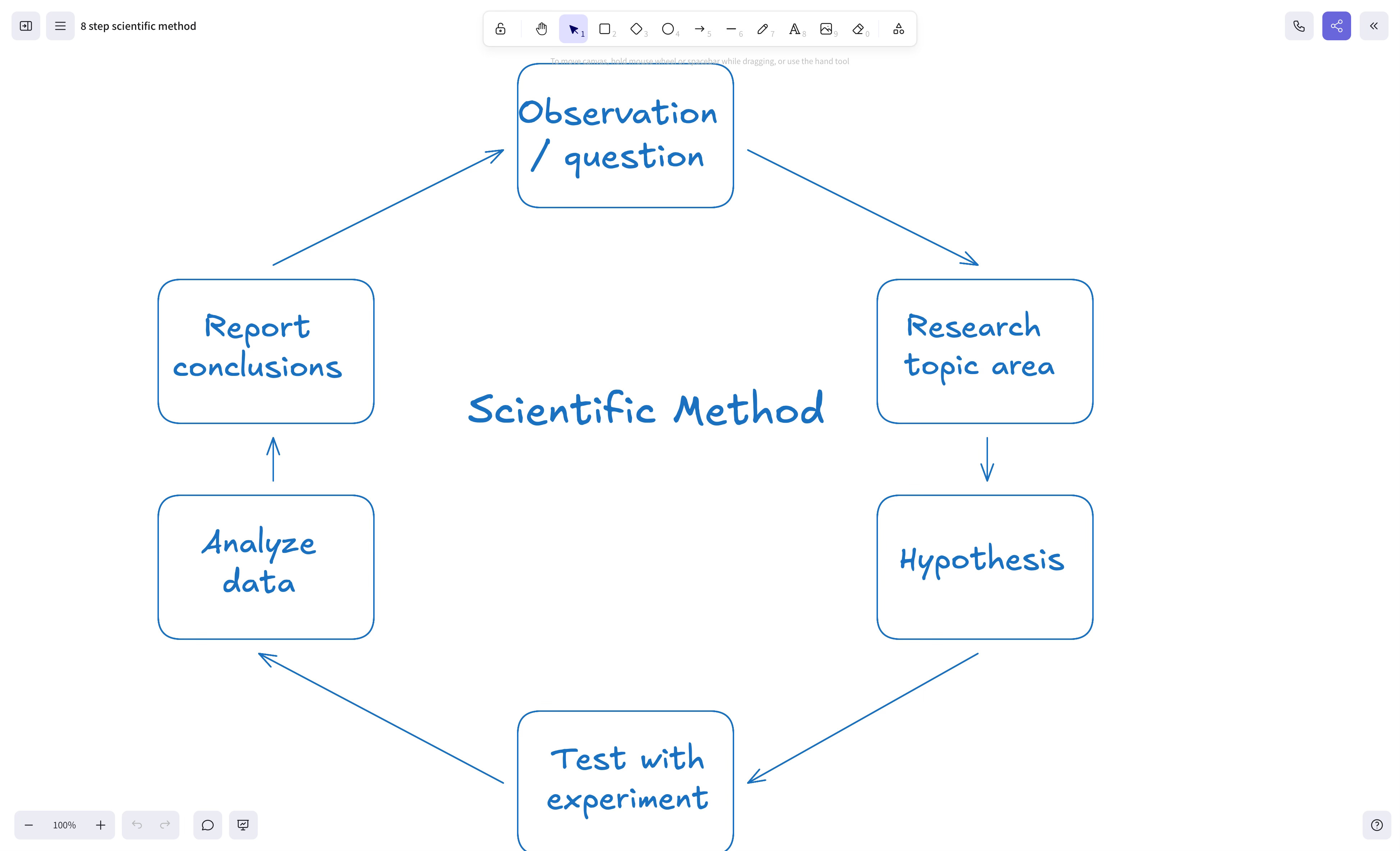
But basically, what’s happening now is a perversion of the scientific method. An observation or question goes directly to a hypothesis that is ill-informed. There’s no research into what might be known about the observation/question. There’s no test, and there’s no analysis, so the fake scientist ends up with a conclusion that is identical to whatever the hypothesis might be—that perhaps vaccines are not beneficial or maybe even harmful, and so on:
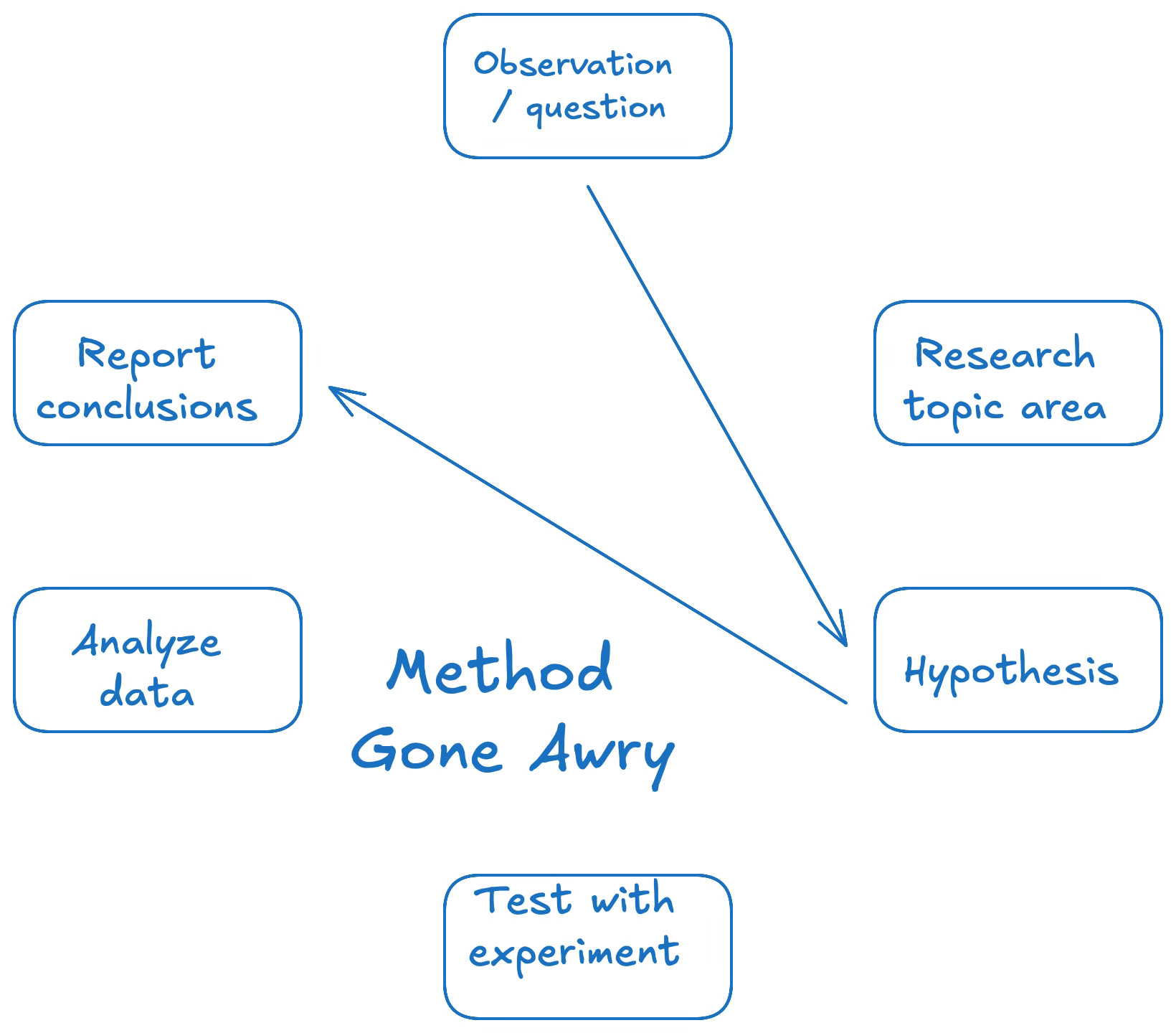
We shouldn’t believe the conclusions that are being promulgated by the current administration. We should take this as a kind of a lesson on how things can go awry. But, again, I’m optimistic—this is just a footnote to the history that we are in.
My focus is upon on the history of prescription drugs, on the history of public health. Both of these histories are embedded in a larger historical context. They’re affected by politics. They’re affected by what’s going on at the current moment.
As Mark Twain is claimed to have said, “History doesn’t repeat itself, but it often rhymes.” History doesn’t repeat, but it instructs. That’s why historical perspectives are useful.
Stay tuned for my thoughts on historic moments when various elements of the scientific method were influenced by then-current thinking.